
 Membership
  Buy Tickets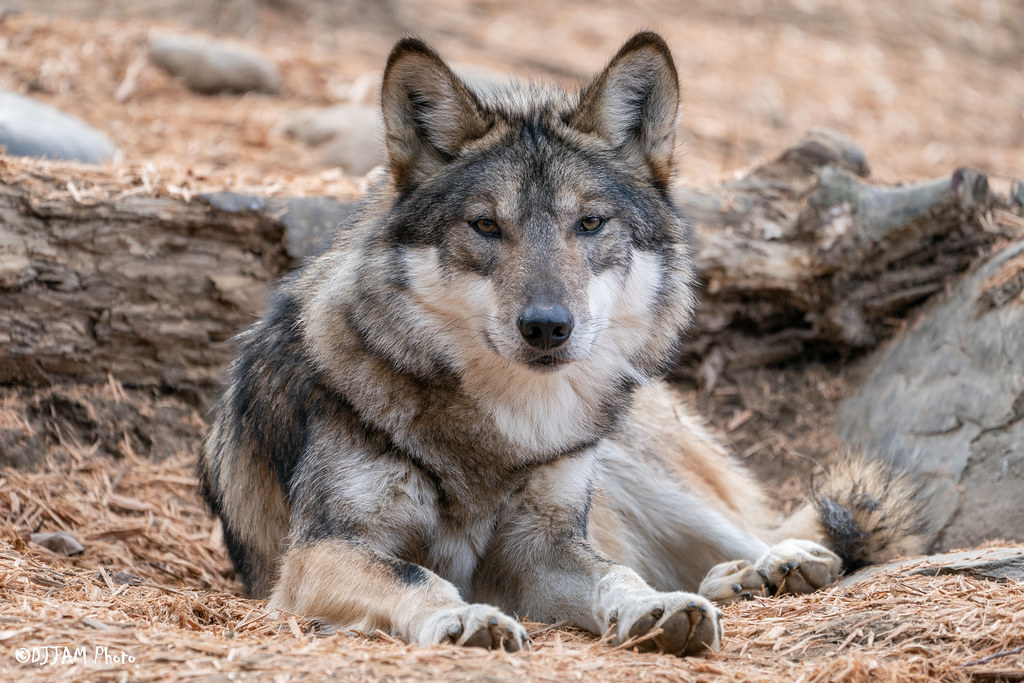
Join the Pack: International Wolf Day
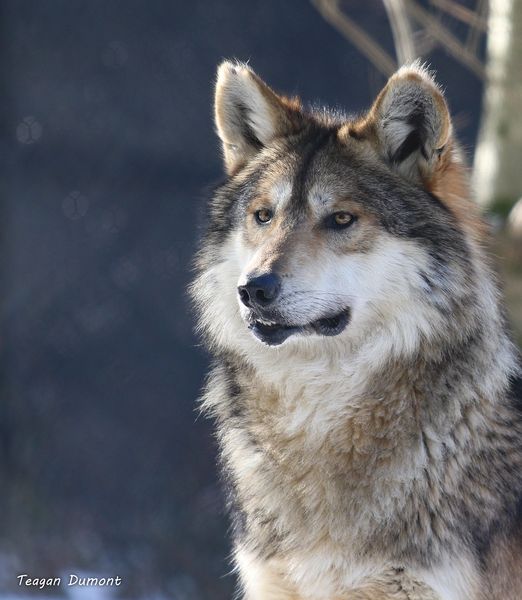
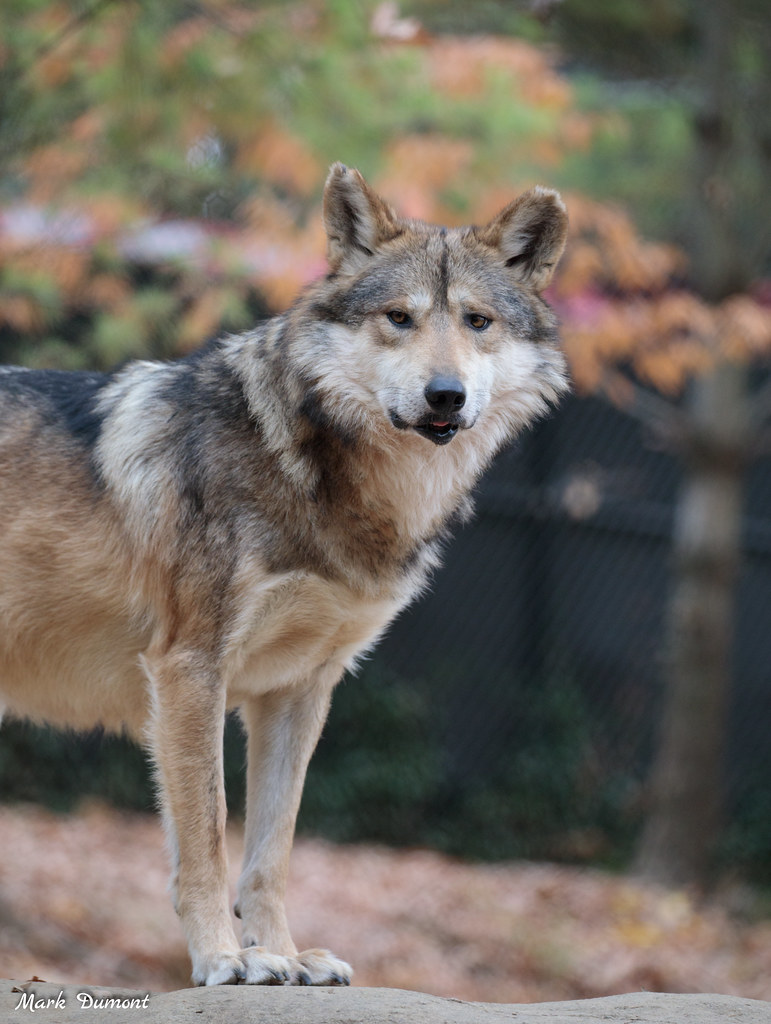
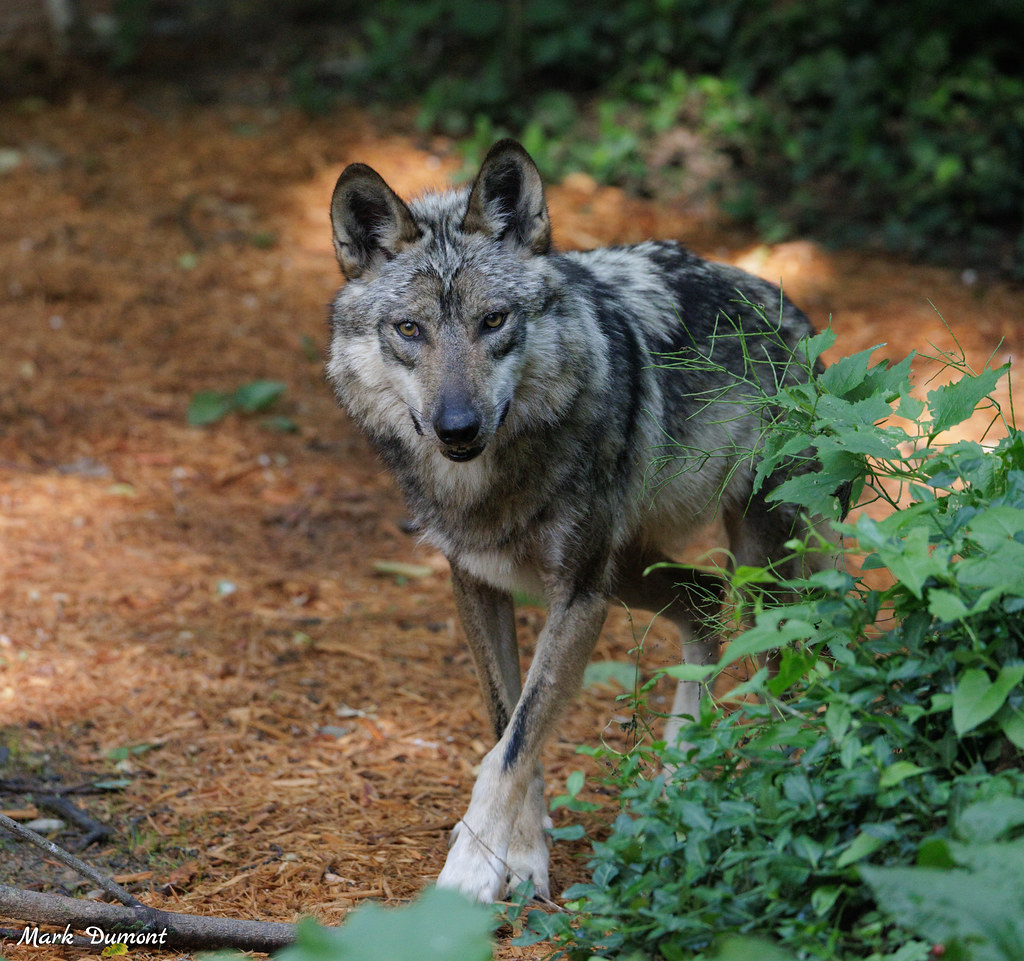
Happy International Wolf Day! The Cincinnati Zoo is home to four Mexican wolves. Brothers Shadow, Waya, Bruce, who were born on April 9, 2018, and Elena, who was born on May 14, 2021. They all came from the Endangered Wolf Center of Saint Louis, MO.
Also known as “el lobo”, the Mexican wolf is the smallest subspecies of the North American gray wolf. Wolves live in family groups called packs.
Cincinnati Zoo keeper Tara introduces you to the pack and gives more insight on their personalities and behavior!
Shadow
I like to talk about who he was before and after Elena, because I think she taught him how to be a real wolf in many ways!
When I first started working at Wolf Woods, Shadow was always our most nervous boy. He did a lot patrolling around the top half of the habitat. He was never very settled, and I often felt he was searching for something. Wild wolves can travel up to 100 or more miles in a day to find food, territories, mates, etc. I always attributed this to Shadow’s activity!
Once Elena arrived, and we got through the initial shock of introductions and then the surprise of the boys’ first breeding season, we really started to see Shadow develop more naturalistic behaviors. He patrols the top of the habitat less and is seen utilizing all of his habitat space. He engages in more social behaviors as well.

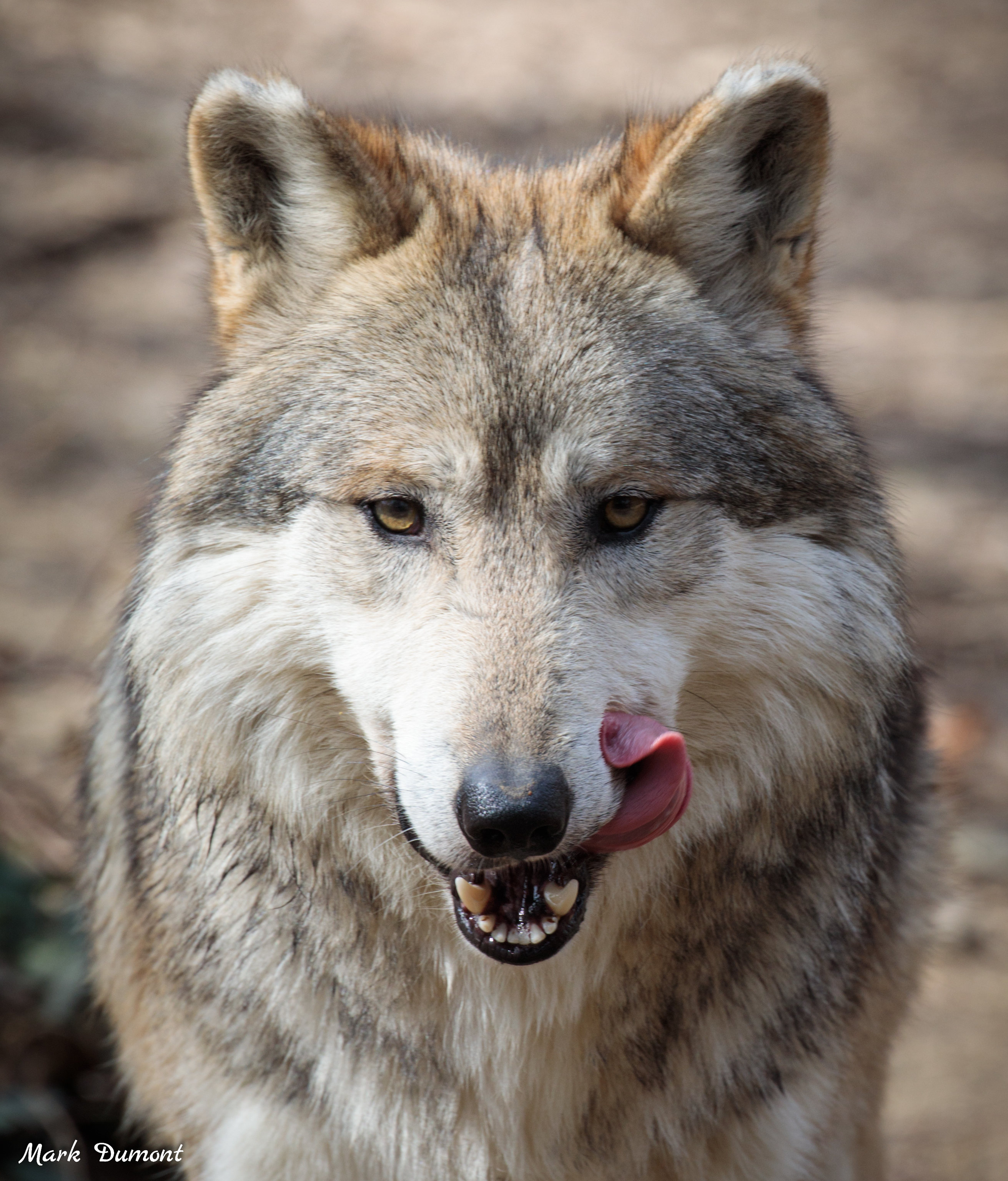
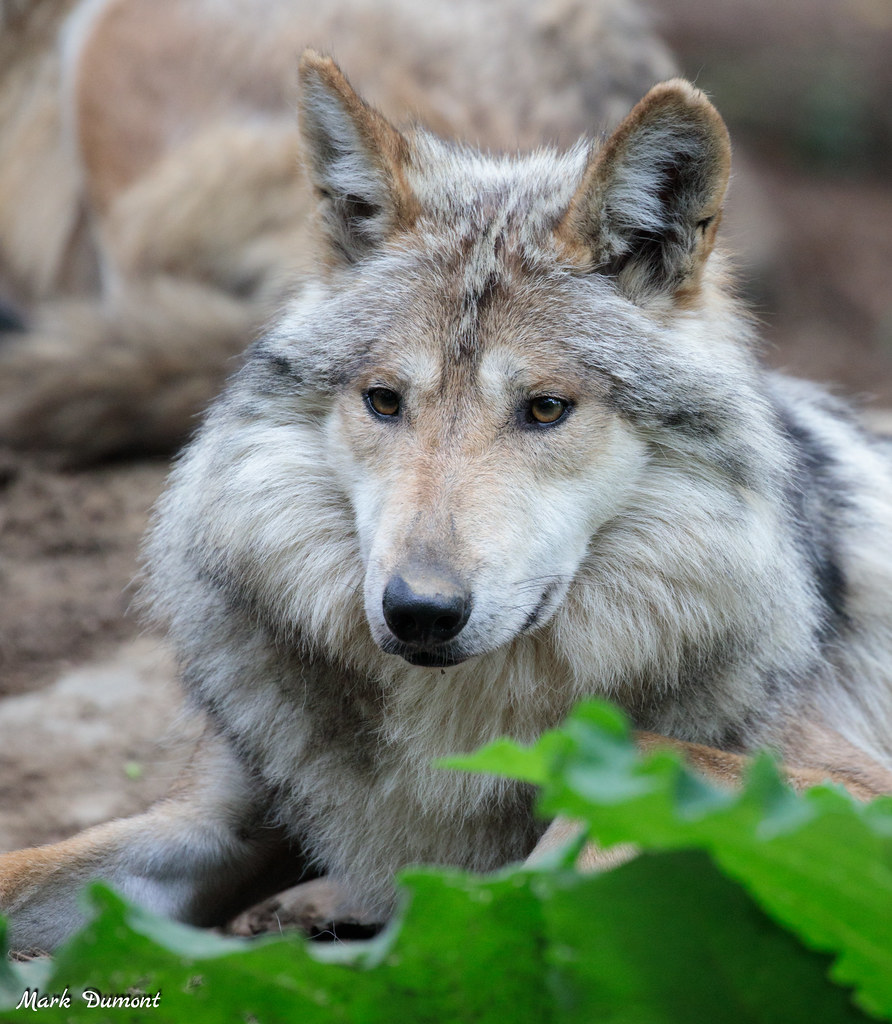
Elena’s introduction to the pack shuffled the boys’ hierarchy and made it so they actually began to follow one, and this allowed Shadow to come out on top. The brothers had only ever lived with each other.
“Alpha” is a term that was often used for the top-ranking member of a wolf pack; however, we are learning “alphas” are not created through asserting dominance but are the breeding pair or parents of a pack. Since this pack is artificial and we are not on a breeding recommendation, we don’t have a breeding pair but with Elena being our only female, Shadow fills the role as her “other half” at the top of the pack.
He has the most dominant personality of the boys. Shadow’s favorite food is bison ribs. He can run with an entire rib piece in his mouth, and it is really fun when he tries to fit through trees, but gets stuck.
He really enjoys rolling in otter bedding and mink gland oil. Shadow is our leanest boy, but he is our most active as well. You can distinguish him from his brothers by noticing his very white eyebrows. I always say it looks like someone licked them into place!
Waya
Waya has always been the “wildest” of our boys to me. We always call him spicy!
He is the smallest brother, but he has a strong personality. Whoever is “lowest on our totem” as we like to say, bounces between Bruce and Waya.
However, Waya has a high level of social intelligence. When Shadow is asserting dominance or displaying power over Waya, he submits well, responds appropriately to Shadow and accepts his ranking.
Waya also knows if he is in “hot water” with the brothers, to keep his space and you can find him enjoying his alone time. He really enjoys hiding in the deadfall in the middle of the habitat or laying on the platform in the sunshine.
Waya is a fast boy and he will work quickly to sneak femur bones away from Shadow! He also really enjoys hunting for eggs!
You can distinguish him from his brothers by noticing his wide face, I think he has very angular cheeks. W in Waya stands for wide face is how I remember it!

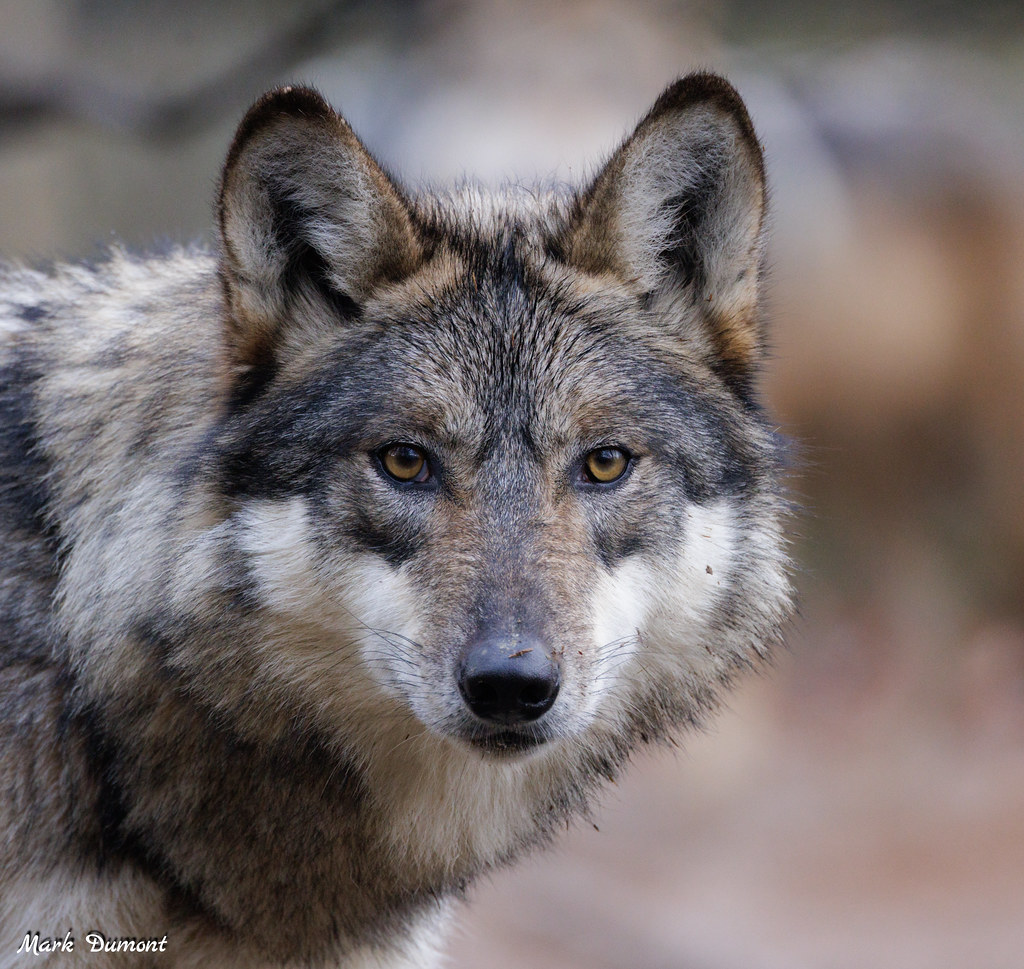
Bruce
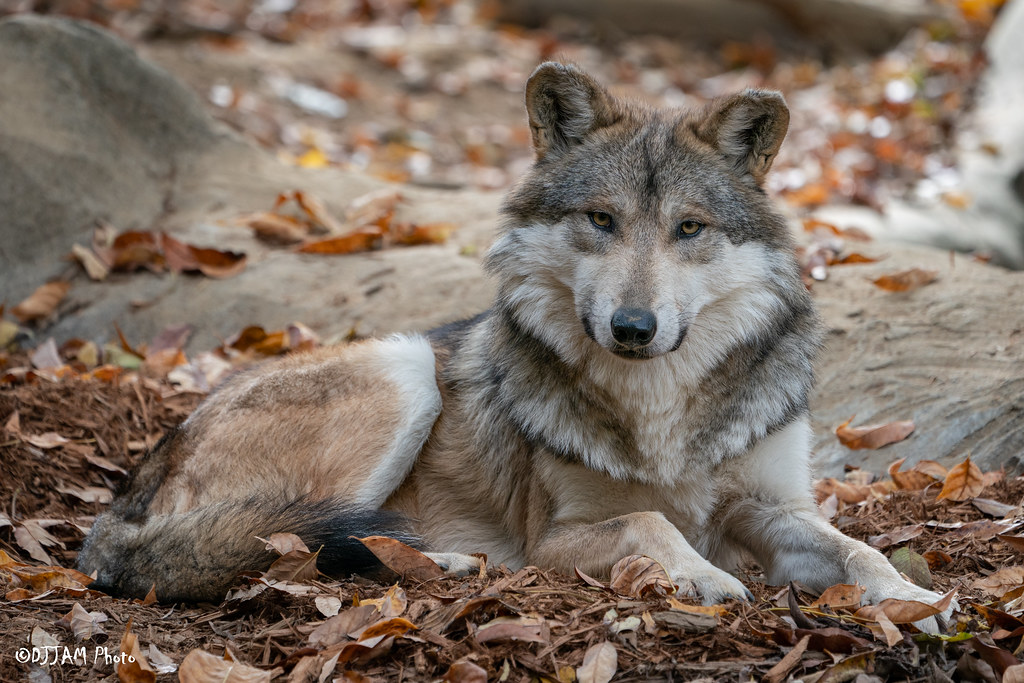
Bruce is a big goof! His bottom lip was injured when he was a puppy during a routine vet procedure. It doesn’t affect him in any way, it is just a cute quirk of his now! In addition to his droopy lip, you can distinguish him from his brothers by noticing the red in his coat.
Bruce is our most laid-back wolf of the pack. While the others are hunting for bones, if Bruce is pushed away from any of the high value food items, he will just happily go much on his chow. He is our chunkiest boy, so he can be our most calm as well.
When Bruce is lowest on the totem, he doesn’t handle his emotions well like Waya does. Bruce will vocalize in cries and whimpers, when his pack is ignoring or isolating him. Instead of giving space to the pack, he often goes back to them and then gets into trouble all over again. These are all normal behaviors for wolves, but it is interesting to see the difference in personality between Bruce and Waya in these situations. Waya really just understands the ranking process while Bruce seems to have a lot of feelings about it we say!
His favorite spot to nap in the afternoon is by the drinker in the holding yard so he can lay in the grass.
Elena
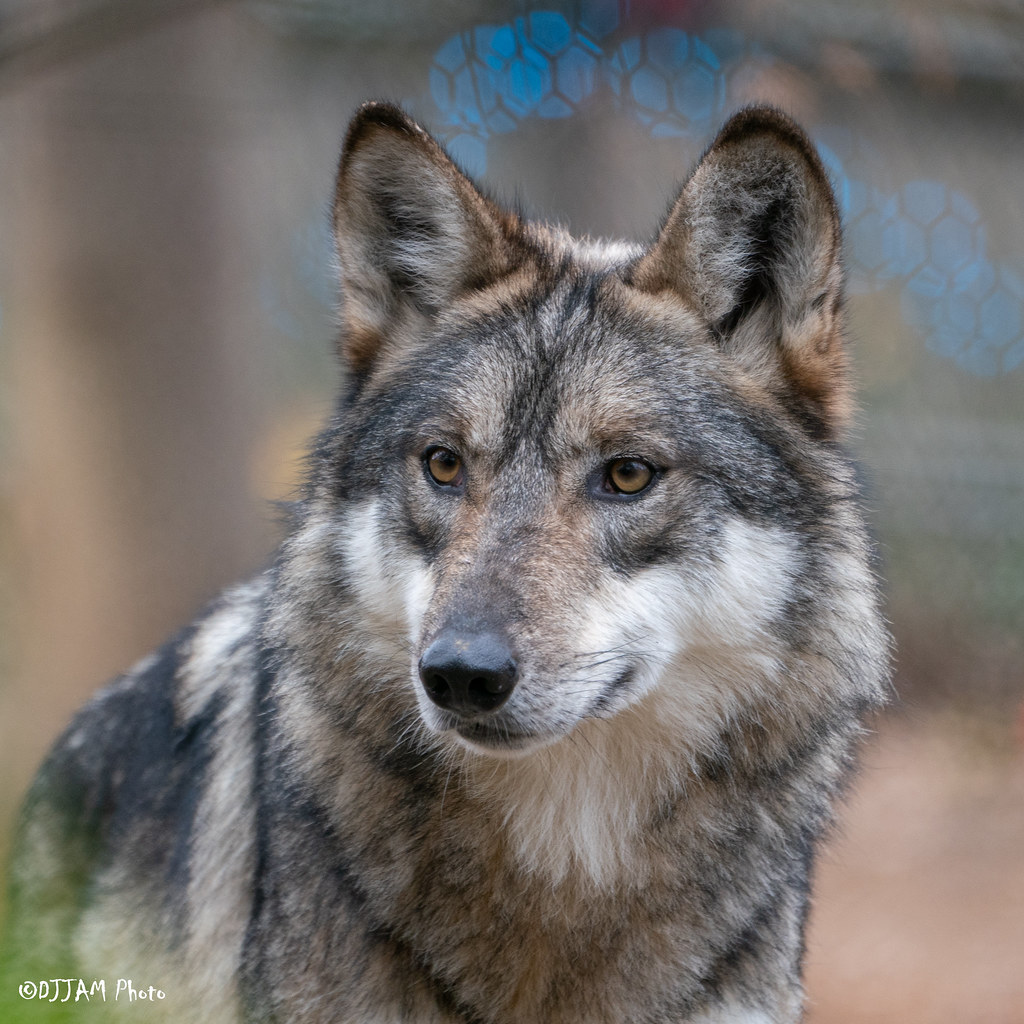
Elena was brought to us because she was in a pack of all females, most of them were her sisters, and she was the lowest on the totem, so the Mexican Wolf SAFE program said it was best for her to be put into a better situation.
She really improved the boys’ activities levels when she taught them how to “wolf”. The boys had never howled or really experienced social dynamics at all until her arrival. When the boys are nervous, she is the essence of calm.
She can jump very high and that is something her mother could do too! Elena is very intelligent. She is always digging new holes, finding shady spots to lay in and resting like the diva she is. Her favorite thing is to lay on ice piles.
She is our tiniest wolf but has the biggest personality!




Conservation
As of today, the total living population of Mexican wolves stands at 476, a remarkable number for a species that was once on the brink of extinction. This population is supported by two key programs: the Species Survival Plan (SSP) and the Saving Animals From Extinction (SAFE) program.
SAFE Mexican Wolf, led by Cincinnati Zoo’s Kim Scott, is a bi-national recovery program that will help support and find new opportunities to work with the community in the recovery areas of both Mexico and the United States. The goal? To work hand-in-hand with local communities and other stakeholders in Mexico and the U.S. to give Mexican wolves a better chance at survival. As the AZA stated: “SAFE Mexican Wolf is a bi-national recovery program that will help support and find new opportunities to work with the community in the recovery areas of both Mexico and the United States.”
The Cincinnati Zoo & Botanical Garden has been instrumental in re-establishing a species that was considered extinct in the wild in the late 1970s. From assembling the annual management meeting to determine the best placement for Mexican gray wolves in human care to constructing a new habitat at the Zoo and a new breeding center at an off-site property, Cincinnati Zoo is all in on Mexican wolf conservation.
